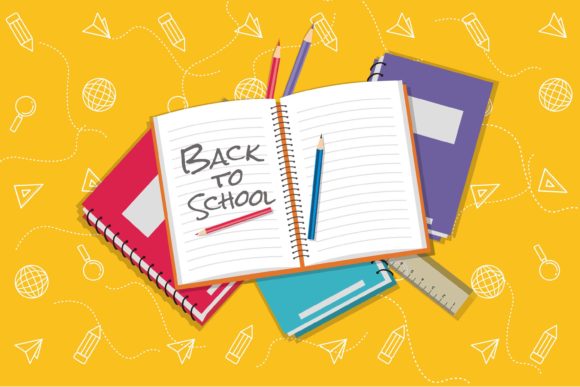
School Back to School
As an embroidery designer and product reviewer, I often find myself evaluating designs that promise a lot but deliver little in real-world use. The School Back to School design is one that immediately caught my attention for its nostalgic charm and clear visual identity. It’s the kind of design that feels like it belongs on a custom embroidered tote bag or a personalized baby onesie—something that speaks to both sentiment and practicality.
The First Impression
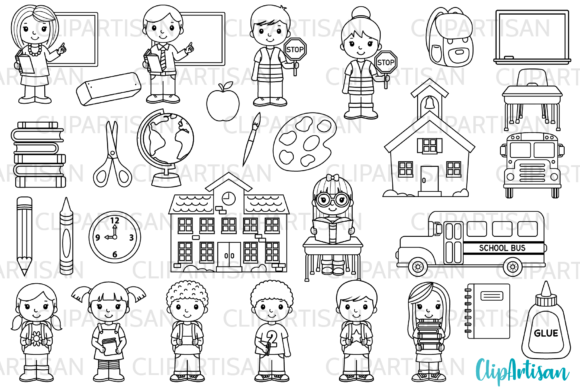
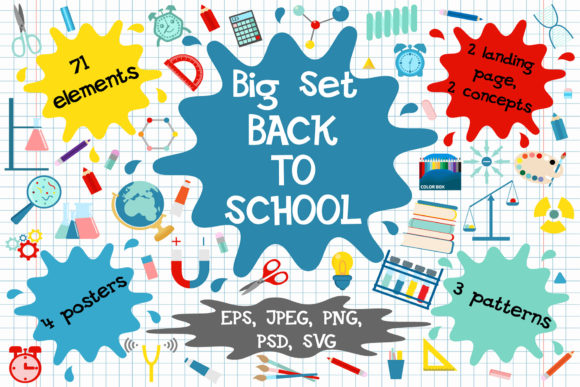
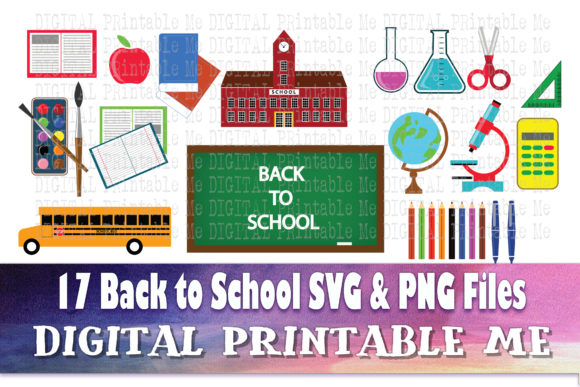
From the moment I opened the SVG and EPS files, I noticed how well-structured the layout is. The design has a clean, illustrated style that leans into simplicity without sacrificing character. The shapes are bold and easy to follow, which makes it ideal for machine embroidery. The theme is unmistakably school-related—think backpacks, books, pencils, and maybe even a few playful icons like a graduation cap or a chalkboard.
The detail level is moderate. It’s not overly intricate, which means it won’t require excessive stitch density or complex layering. That’s a plus for small business owners or crafters who want to keep their production efficient. The overall mood is warm and inviting, perfect for creating handmade products that feel personal and meaningful.
Real-Life Embroidery Scenarios
I tested School Back to School on a variety of fabrics and projects. On a cotton sweatshirt, it looked great with a medium stitch density. The satin stitch areas were smooth, and the fill stitch sections didn’t look too busy. For a tote bag design, it worked well when placed in the center, giving the item a professional, polished look.
On a baby onesie, the design felt appropriate and not too overwhelming. The colors were soft enough for a nursery setting, and the layout allowed for easy placement. When I tried it on a thin, stretchy fabric, I had to adjust the stabilizer to prevent puckering. That’s something to keep in mind if you’re planning to use this on garments that will be worn frequently.
For a patch project, the design translated well into an applique design, especially if you’re using contrasting thread colors. The corners were sharp, and the lines were consistent, which made the final result look clean and intentional.
Where to Use With Caution
While School Back to School is versatile, there are some situations where it might not perform as well. If you’re working with a small hoop size, you may need to break the design into sections. The layout isn’t too large, but depending on your machine, it could be challenging to fit everything in one go.
On textured or dark fabrics, the design might not show up as clearly. I recommend testing it on different backgrounds before committing to a finished product. Thin or stretchy materials also require extra care—using the right stabilizer can make a big difference in how the design holds up after washing.
If you’re planning to use this on a curved surface like a cap, you’ll need to ensure the design is adjusted for that shape. Some details, like tiny lettering or decorative accents, might get distorted if not properly resized.
Impact on Visual Appeal and Customer Trust
When it comes to customer engagement, School Back to School has a strong visual appeal. It’s the kind of design that stands out on a shelf or in an online listing. The clarity of the stitches makes it easy to recognize, which is important for buyers who are looking for something specific.
For a handmade product, this design adds value by offering a sense of nostalgia and personalization. It’s perfect for a personalized gift or a custom apparel item that customers can connect with emotionally. As an Etsy seller, I’d feel confident showcasing this in a printable mockup because it looks professional and well-crafted.
Brand consistency is another factor. If you’re running a craft business or a small shop, having a design that fits your aesthetic is key. School Back to School has a friendly, approachable vibe that could work well with a brand focused on education, family, or childhood memories.
Practical Designer Notes
Before jumping into a full project, I always recommend testing the embroidery file on scrap fabric. This helps you see how the design translates in real life and whether any adjustments are needed. Checking thread color contrast is also essential—especially if you’re using dark or light fabrics.
Reviewing the stitch density is important to avoid issues like puckering or uneven stitching. Make sure the hoop size you’re using can accommodate the entire design. Small details, like the edges of the letters or the corners of the shapes, should be inspected closely to ensure they look clean after stitching.
Testing the design in black and white mockups can help you see how it appears without color. Comparing it on light and dark backgrounds can reveal any hidden issues. Always use the proper stabilizer for the fabric you’re working with, and double-check the licensing terms if you plan to sell finished items or digital products.
Finally, remember that School Back to School is a graphic that can be used for both personal and commercial projects. Whether you’re making a holiday embroidery piece or a small shop product, this design has the potential to add value and appeal to your offerings.